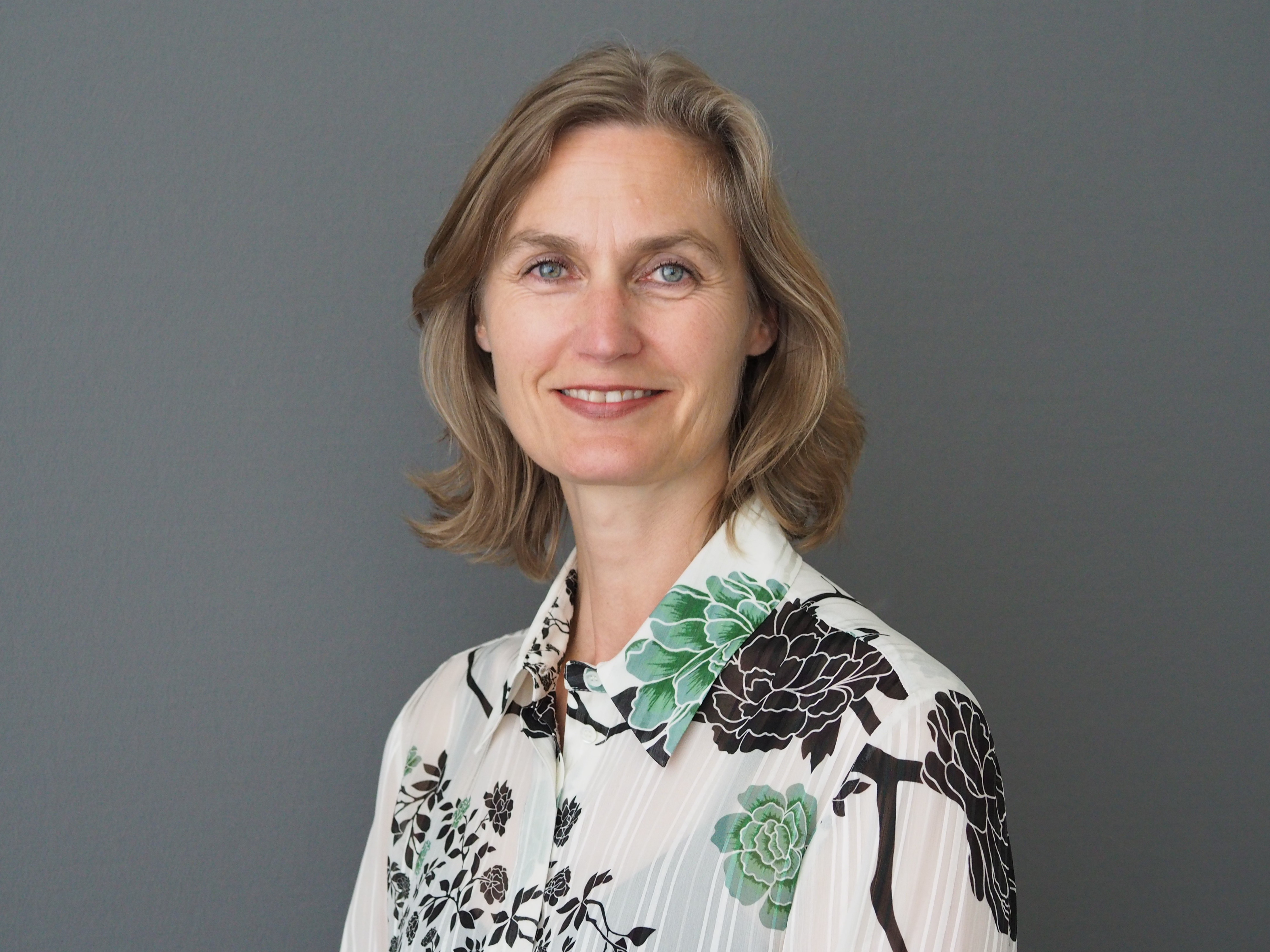
Eight Questions for Birgit Rolfes – Head of Artima Art Insurance
Art is more than just passion—it’s also a responsibility. But what does that really mean for artists, collectors, and galleries? Why is professional art insurance essential, and what are the most common misconceptions?
In our interview with art insurance expert Birgit Rolfes, we delve into the exciting intersection between art and insurance. She explains why documentation and provenance play a crucial role, how a digital art management system can help, and which simple measures can effectively protect artworks.
1. Ms. Rolfes, what fascinates you about the connection between art and insurance, and how did you enter this field?
I knew as a teenager that I wanted to study art history, but I only developed concrete career ideas during my studies. Both the art trade and art insurance seemed like the perfect combination of my passion for art and my practical business sense. After early experiences in the auction house industry, I felt more at home in art insurance. Following various positions in auctions and insurance, joining ARTIMA, the Mannheim-based art insurance, in 2001 was a perfect fit. Over time, I’ve come to appreciate that art insurers do far more to protect art and cultural assets than a simple insurance contract suggests. This added value—the preservation of art, ongoing dialogue with museums, collectors, and artists, and maintaining personal connections within the art world—makes the work of an art insurer truly fulfilling.
2. Why is professional art insurance essential, and what risks exist without it?
Art is incredibly diverse, requiring specialized knowledge and expertise that a standard insurance policy cannot provide. Our experts, who are experienced art historians, create tailored solutions with comprehensive coverage, known as all-risk insurance.
Being uninsured in the event of damage can lead to financial ruin. Even if only part of a collection is affected, working with a specialized insurer provides additional benefits, such as access to expert restorers and transport specialists.
3. What are the most common misconceptions that artists, galleries, and collectors have about insurance?
The most common misunderstandings arise from technical insurance terminology. Those unfamiliar with the field often confuse terms like "insurance sum" (the total insured amount), "insured value" (how the sum is determined, e.g., market value or replacement value), and "insurance premium" (the amount paid by the customer). These misunderstandings are easy to clarify, but they highlight the complexity of art insurance.
4. What makes ARTIMA unique in supporting collectors, galleries, and artists with optimal insurance coverage?
ARTIMA takes a holistic and personalized approach to art insurance, extending far beyond simple coverage. When our art historians visit clients, they don’t just assess and insure artworks—they also act as curators, advising on protection against environmental factors, accidents, theft, water damage, and vandalism.
We understand exhibition, transport, and storage processes, allowing us to design policies tailored to individual needs. Many logistical risks are preemptively covered, reducing administrative burdens and making life easier for artists, collectors, and dealers.
5. Why are documentation and provenance so important in art insurance, and how can a digital system help?
Few industries place as much importance on provenance as the art world. Solid provenance research complements scientific and stylistic authentication, enriches an artwork’s history, and significantly impacts its market value. A well-documented provenance enhances credibility and investment security. A digital database helps centralize this crucial information, making it easier to manage and verify.
6. Can you give an example of how a digital art management system has helped in damage prevention or claims processing?
For artists and galleries, insurance coverage is often based on lump sum valuations. Determining the correct insured amount can be challenging, especially when works are stored in multiple locations. A digital art management system allows quick access to relevant records, ensuring accurate coverage.
In the event of major damage, the benefits are clear—records won’t be lost in a fire or water leak. Essential information remains securely stored, simplifying claims processing.
7. What tips do you have for artists, galleries, and collectors to protect and preserve their works?
Art lovers generally handle their pieces with care, but most damages occur due to accidents, followed by theft and fire. Many incidents could be avoided with better planning. Prevention starts with small details: placing artworks away from high-traffic areas, using sturdy mounting systems, avoiding direct sunlight, and selecting transport packaging suited to the artwork’s condition and travel requirements.
While most damages can be restored, restoration often leads to visible changes. That’s why preventing damage in the first place is so crucial.
8. Finally, if you could have coffee with any artist, who would it be?
There are many, but I would love to meet Alicja Kwade. Since experiencing her work The Moving Emptiness of the Moment at the Kunsthalle Mannheim, I’ve been deeply fascinated. As a conceptual artist, she explores themes of space, time, and the relationship between subject and object using everyday materials.
This installation, featuring a ticking clock and a large stone suspended in motion, powerfully illustrates the passage of time in a way that is both conceptually profound and emotionally striking. I would love to hear about her creative process and the thoughts behind her work.
Art deserves not only passion but also protection and professional management. With ARTIMA art insurance, your works are optimally secured, while ARTBUTLER NEXT helps you digitally document and efficiently manage your collection.
👉 Try ARTBUTLER NEXT free for 14 days and and document your artworks professionally.
👉 Discover ARTIMA’s tailored solutions for the best possible protection of your art.