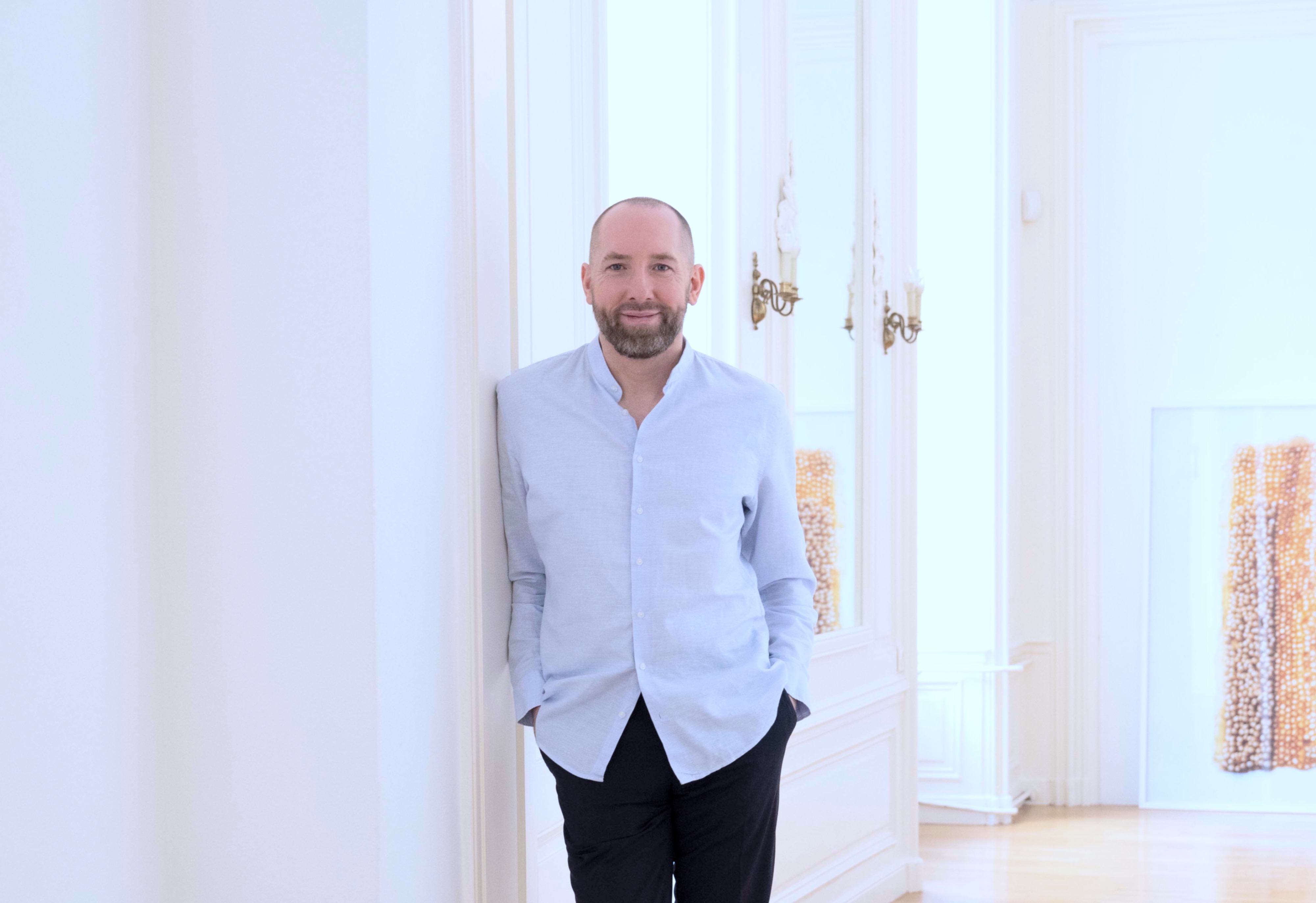
Eight Questions for Dr. Sascha Worrich – Founder of Arcus
The art market is known for being exclusive, complex, and often lacking transparency—even for experienced collectors and institutions. Driven by the conviction that objective advice, comparability, and digital accessibility are missing, Arcus.art was created: an independent platform that helps art sellers achieve the best possible sales results through expert valuations, market transparency, and an international partner network. With a clear mission to make the art market more open, secure, and fair, Arcus combines tradition with digital innovation, putting people at the heart of the market.
1. Sascha, what was the catalyst for founding Arcus?
Through our work in the international art market, we repeatedly noticed how little experience even seasoned collectors, art enthusiasts, and museums have with the art market. There is a lack of transparency, objective valuation criteria, and independence.
Many sellers rely on the names of well-known auction houses or believe that their artworks have a fixed market value, but the reality is much more complex. Prices and sales rates fluctuate greatly, comparability is lacking, and there is little knowledge about the dynamics of the secondary market. These uncertainties often lead to costly mistakes for owners when selling art.
We founded Arcus to address exactly this issue. Our goal is to make the art market more open, secure, and, above all, accessible.
2. How would you explain what Arcus does in one sentence?
Arcus.art is a digital platform that offers art sellers a secure and discreet way to have their artworks evaluated by renowned auction houses and art galleries, compare conditions, and achieve optimal sales results.
3. How important is personal contact with the art scene to you, and how does it influence the development of Arcus?
I greatly value personal contact with artists, galleries, auction houses, as well as collectors and museums. Through direct exchange, great ideas emerge and new impulses arise that we incorporate into our work at Arcus. These conversations help us better understand the real needs and challenges of our users.
I am convinced that the art market can only truly be advanced if we regularly shift perspectives and are willing to question the status quo. Personal contact with the art scene is essential for this because it allows us to stay close to the people and their concerns and continuously develop Arcus.
4. What have been the biggest challenges so far in scaling your platform – and what have you learned from them?
We only launched our platform at the end of 2024. One of the biggest challenges has been—and continues to be—opening traditional structures and mindsets in the art market to digital solutions. Many established players initially respond to new, transparent approaches with skepticism, especially when it comes to digitization and adapting internal processes. The art market is shaped by exclusivity and personal networks, which often makes change difficult.
We have learned that openness, patience, and a collaborative dialogue are crucial. Meanwhile, we work with numerous renowned auction houses and galleries both domestically and internationally, and have already facilitated significant works, including pieces by Joseph Beuys, Andy Warhol, Max Ernst, Käthe Kollwitz, and Pablo Picasso. These successes show us that it pays off to stick to your vision and build bridges between tradition and innovation.
5. Is there a particularly exciting success story or user feedback that has confirmed your vision?
Yes, not just one. We regularly receive emails from users thanking us for our support. Recently, we assisted a client in selling a beautiful woodcut by Max Pechstein from 1912. Estimates from major auction houses in Munich, Cologne, and Berlin ranged between €6,000 and €15,000—a wide range that reflects the market’s uncertainty and subjectivity.
Through our network, we were able to find a small, specialized auction house in northern Germany that featured the work as a highlight of their auction and promoted it strategically. The result: over €30,000—the highest price for this motif in more than 20 years.
Stories like this demonstrate the importance of independent advice, market knowledge, and the right network. They confirm that with Arcus, we create real added value and make the art market more transparent and fairer for sellers.
6. What was a decision that proved to be particularly valuable in hindsight?
One of the most important decisions was to launch our platform as early as possible and to seek direct contact with our users from the very beginning. Through online surveys, personal conversations, and regular feedback, we were able to quickly identify which features and services were truly needed. This enabled us to develop Arcus in a practical, user-centered way over the past months and prepare the next steps to create a platform that offers real added value. This close connection to our users is a key success factor and helps us continuously simplify access to the art market.
7. How do you see the future of the digital art market – what’s coming next?
I am convinced that the digital transformation will fundamentally change the art market in the coming years. A key focus will be the digitization of cultural heritage, through digital catalogues raisonnés and new possibilities for documentation and provenance research. Artificial intelligence will also continue to gain importance, whether in the area of artwork authentication—where significant progress has already been made in recent years—or in art production. An exciting example was the first auction exclusively featuring AI-generated art in March 2025, which, although it fell short of expectations, showcased the potential of new technologies.
Nevertheless, despite all the innovations, I firmly believe that the art market will continue to be shaped by the people who create, collect, document, exhibit, and discuss art.
8. Finally: If you could have coffee with anyone from the art world—living or deceased—who would it be?
There are many, but one would be Egon Schiele. He impresses me not only with his uncompromising artistic approach but also because he grappled with timeless, existential questions like identity, relationships, taboos, and social conventions—topics that are just as relevant today as they were over 100 years ago. I believe a conversation with him would be a wonderful and inspiring opportunity to talk about courage, authenticity, and the role of art in addressing the big questions of our time.
Art deserves not only appreciation but also a fair and secure place in the market. With Arcus.art, you sell your works with expert knowledge, transparency, and discretion—backed by expertise and a strong network. With Artbutler NEXT, collectors manage their artworks professionally, securely, and have digital access anytime.
👉 Try ARTBUTLER NEXT free for 14 days now and professionally document your artworks.